Caribbean Food in Denver: Best Places for Tropical Comfort Food
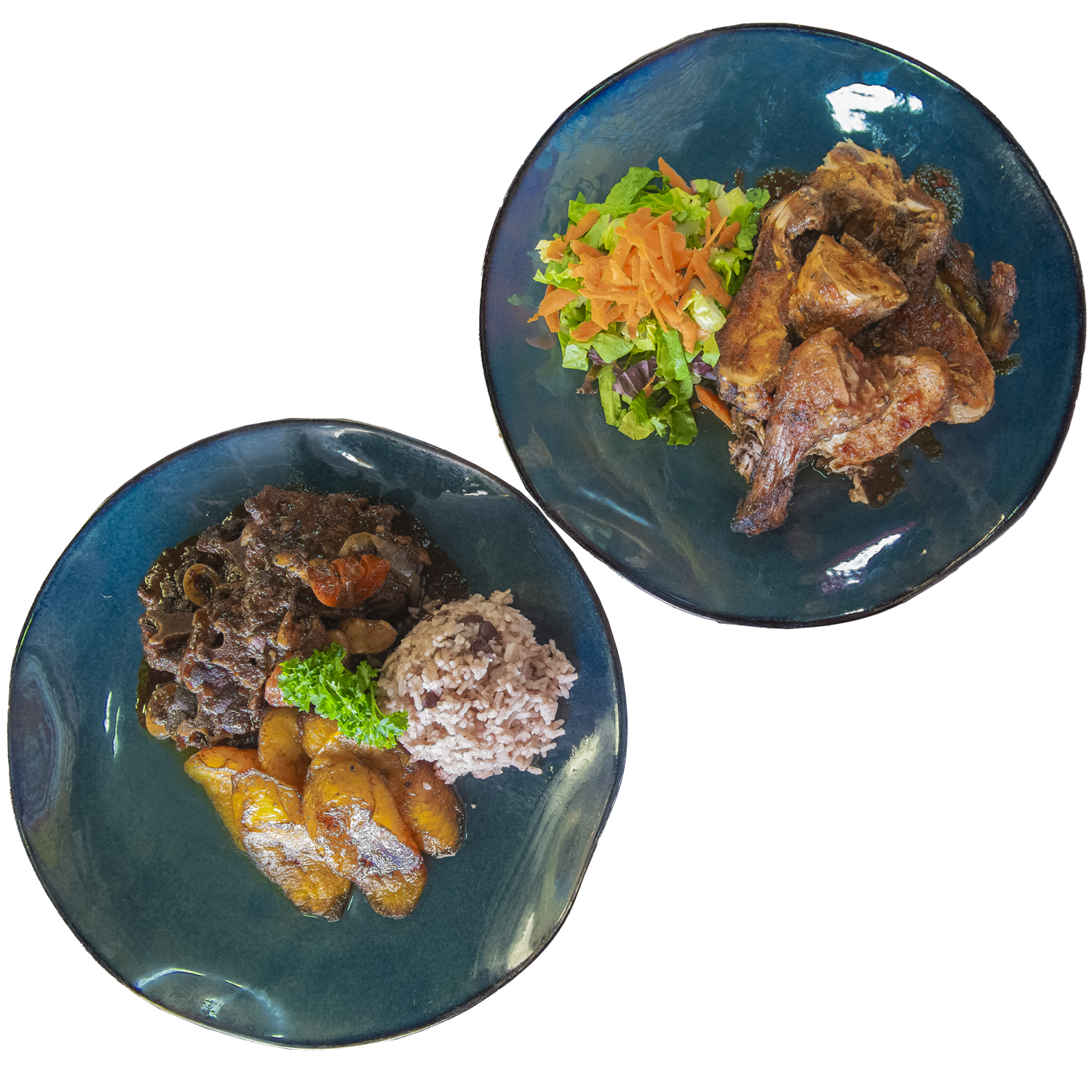
Denver does not have the largest Caribbean dining scene in the country, and that is part of what makes the good spots stand out so clearly. You are not walking into a neighborhood with five excellent jerk counters on one block or a dozen family-run roti shops competing for regulars. What you get instead is a smaller, more scattered collection of kitchens that matter a lot to the people who know them. When one of them gets it right, you remember the meal.
That matters because Caribbean food is not novelty food. At its best, it is comfort food with structure, heat, patience, and memory behind it. A proper braise takes time. Rice and peas are simple on paper and easy to ruin in practice. Jerk seasoning should taste layered, not merely spicy. Oxtail should feel earned. In a city like Denver, where diners have endless options for burgers, pizza, ramen, and tacos, the restaurants serving Caribbean food are often carrying more than a menu. They are carrying a style of cooking that depends on depth rather than speed.
If you are searching for caribbean food denver options that feel warming, soulful, and worth the trip across town, it helps to know what Denver does well, where the gaps are, and how to order when you find a promising place.
What “Caribbean food” really covers in Denver
One reason people struggle to find the right place is that “Caribbean food” is a broad label. It can mean Jamaican cooking with jerk chicken, curry goat, patties, and coco bread. It can mean Cuban food with roast pork, black beans, yuca, and pressed sandwiches. It can mean Puerto Rican dishes like pernil and mofongo, or Trinidadian specialties like doubles and roti. It can also overlap with coastal Latin food, soul food, and African diasporic cooking in ways that make rigid categories less useful than the food itself.
In Denver, Jamaican and Cuban styles tend to be the easiest entry points. They are the formats that show up most often on menus, food truck schedules, and neighborhood recommendations. That does not mean the city lacks range. It means you may need to be more flexible and more intentional than you would in Miami, Brooklyn, or South Florida.
The best strategy is to stop looking for one perfect all-purpose “Caribbean restaurant” and start looking for kitchens that do one style especially well. A place that makes exceptional jerk chicken may not have the strongest stewed fish. A café that turns out excellent Cuban sandwiches may not be where you go for a full island-style plate with plantains, beans, and slow-cooked meats. This is one of those food scenes where specificity rewards you.
The Jamaican side of the city tends to deliver the deepest comfort
If your idea of tropical comfort food starts with dark, aromatic, slow-cooked meat over rice, Jamaican restaurants are usually where Denver feels most grounded. Even in a small market, the core dishes travel well when the kitchen cares about seasoning and texture.
Jerk chicken is the obvious benchmark, but it is also a slightly tricky one. Too many restaurants, in any city, serve something called jerk that amounts to grilled chicken with generic spice and little smoke. Real jerk should not taste one-note. You want allspice, thyme, scallion, heat, a little sweetness, and the char that comes from serious cooking rather than a quick dusting of seasoning before service. The meat should still taste like it spent time marinating, not like the flavor was painted on after the fact.
Oxtail is the dish that tells you whether the kitchen has patience. Good oxtail should be tender without falling into mush, with gravy that clings to the rice and carries enough body to stand on its own. The first spoonful should tell you that someone respected the simmer. In Denver, that kind of dish earns loyalty fast, especially during the colder months when rich braises become less of a craving and more of a need.
Curry goat is another strong order because it exposes shortcuts. If the curry tastes flat, the kitchen rushed it. If the goat is stringy, the timing was off. But when it lands, it is one of the most satisfying meals in the city, full stop. A good curry goat plate can feel almost restorative after a dry winter week.
The sides matter as much as the main. Rice and peas should be fragrant and separate, not clumped or bland. Cabbage should still have some life to it. Plantains should taste ripe and caramelized rather than greasy. Even the patty case tells a story. A flaky beef patty with a shell that shatters just enough is a strong sign you are in the right place.
Cuban cooking brings a different kind of comfort
Cuban food often reaches Denver diners through cafés and neighborhood restaurants rather than through formal destination spots. That is fitting. Cuban cooking, when done well, thrives in places that feel lived in. You want a counter, coffee, pressed sandwiches, maybe a pastry case, maybe a regular who knows exactly how long the roast pork has been on that day.
Where Jamaican food often announces itself with spice and smoke, Cuban comfort cooking tends to work through balance. Mojo pork should be garlicky and citrusy without turning harsh. Black beans should feel silky rather than watery. Yuca needs enough salt and enough acid to wake it up. A Cuban sandwich is simple in theory, but every shortcut shows. Dry pork ruins it. Cheap bread ruins it. A lazy press ruins it.
In Denver, Cuban restaurants can also serve as gateway places for diners who say they want Caribbean food but are not sure where to begin. The flavors are bold but approachable. The dishes are usually easy to understand from the menu. There is less intimidation, especially for diners who are unsure about ordering around bones, spice level, or unfamiliar names.
That said, there is a difference between a decent Cuban lunch and a place you go back to on purpose. The memorable ones get the beans right, the roast meats right, and the details right. They understand that a plate of arroz, beans, pork, and sweet plantains sounds humble, but the margin between ordinary and excellent is huge.
Denver’s strengths are real, but so are the limitations
If you have eaten Caribbean food in South Florida, New York, Toronto, or parts of New Jersey, Denver will not feel abundant by comparison. It is not supposed caribbean food denver Reggae Pot Jamaican Grill to. The city has its own food identity, and its Caribbean scene is still developing in a way that feels patchwork rather than fully rooted in one corridor.
That is not a criticism. It is useful context. The smaller scene means a few things for diners.
First, quality can vary sharply from dish to dish. A place may have one house specialty worth driving for and several side dishes that feel secondary. Second, hours can be less predictable, particularly with small owner-run operations, pop-ups, and trucks. Third, the best Caribbean meal you eat in Denver may come from a weekend event, a market stall, or a special rather than from a broad, permanent menu.
Anyone hunting for the best caribbean food denver has to adjust expectations in that direction. You are not looking for volume. You are looking for conviction.
What the best places tend to have in common
You can usually tell within a few bites whether a Caribbean kitchen is cooking from habit or from a recipe sheet. The best ones share a handful of traits, and none of them are trendy.
- Seasoning that goes all the way through the meat, not just on the surface
- Rice, beans, and vegetables treated as essential parts of the plate
- Sauces and gravies with body, not thin liquid filling space
- Patience with tough cuts like goat and oxtail
- A menu that feels focused rather than overcrowded
Those may sound like basic standards, but they matter even more in cuisines built on marinades, braises, and side dishes that carry equal weight. You can forgive a plain dining room. You can forgive limited seating. You can forgive a wait if the food tastes like someone cooked it the way they meant to.
Why tropical comfort food works so well in Denver
At first glance, Denver might not seem like an obvious city for Caribbean cravings. It is landlocked. The climate is dry. The weather shifts quickly. But that is exactly why the food works here.
A good Caribbean plate does two things at once. It gives you brightness from citrus, herbs, chiles, ginger, or vinegar, and it gives you grounding from starch, braised meat, beans, and fried plantains. In practical terms, that means the food cuts through winter heaviness without feeling light or austere. It satisfies in January the way it satisfies in July.
There is also a social quality to these meals that translates well. Caribbean food is often best eaten in combinations, with a table passing sauces, tasting different mains, and arguing over whose plantains are best. Denver diners tend to respond well to that kind of generous food, especially in neighborhoods where independent restaurants still feel personal.
The city’s appetite for slow-smoked meats, green chile, fried chicken, and rich stews also creates an easy bridge. Someone who loves barbecue often understands jerk immediately. Someone who appreciates a good pot of beans is already halfway to respecting a serious rice-and-peas plate. The overlap is not exact, but the instincts are similar.
If you are trying a place for the first time, order like this
A first visit is not the moment to get too clever. Order the dishes that reveal technique and consistency.
- Jerk chicken, if the restaurant is Jamaican and clearly takes it seriously
- Oxtail or curry goat, if available, because they show patience and seasoning
- Rice and peas, not plain rice, whenever you have the option
- Plantains, because they tell you whether the kitchen handles sweetness and texture well
- A patty, sandwich, or house snack if the restaurant is known for one
That mix gives you a real read on the kitchen without overthinking it. It also protects you from the common mistake of ordering the safest-looking item on the menu and then deciding the restaurant is average. Caribbean food rarely shows its full hand through the plainest dish.
The hidden value of food trucks, pop-ups, and community events
Some of Denver’s most memorable Caribbean cooking does not come from a polished storefront. It comes from cooks serving limited menus at markets, breweries, neighborhood festivals, and weekend events. This matters more here than in larger scenes, because small operators often test the market before committing to rent, staffing, and a full dining room.
When you find one of these operations, pay attention to the line. Not because a line automatically means quality, but because repeat customers are often the clearest signal in a niche cuisine. If people are waiting for curry, patties, or a plate lunch at a Saturday event in mixed weather, they probably know something.
Pop-ups also tend to be where you see the most regional specificity. A permanent menu often has to stay broad and accessible. A pop-up can build a day around one dish, one family recipe, or one holiday specialty. That is often where the food feels least filtered. The trade-off, of course, is inconsistency of schedule. You may have to follow social channels, check event listings, or plan around limited service windows.
For diners serious about finding strong caribbean food denver options, this is not a side route. It is part of the main route.
Neighborhoods and formats that make the most sense
Denver does not have one defining Caribbean district, so your search is usually better organized by format than by neighborhood. Casual strip-mall restaurants can be excellent. So can lunch cafés, food hall counters, and trucks parked outside breweries. In fact, some of the strongest Caribbean cooking in mid-sized markets happens in modest spaces where the overhead stays manageable and the owners can keep the menu tight.
That means ambiance should not be your first filter. If you insist on a large cocktail program, polished interiors, and a broad reservation-friendly dining room, you may miss the place making the best stewed oxtail within twenty miles. Caribbean comfort food often shows up in rooms that put the budget on the stove, not the chairs.
There is a practical side to this. Smaller-format restaurants can run out of popular items, especially braised dishes that need hours of lead time. If you are making a point of trying somewhere known for a specialty, going earlier in the service window is smart. Late evening is great for some cuisines. For Caribbean comfort food, late evening sometimes means the best dish of the day is already gone.
What to watch for on the plate
Texture is often the first giveaway. Chicken that is dry under a dark sauce probably relied on sauce to mask weak cooking. Goat or oxtail that shreds into fibers with no richness left in the meat was held too long or started from a poor cut. Plantains that are pale and starchy were fried too early in their ripening. Rice that tastes like a blank filler means the kitchen is missing the point.
By contrast, the strongest places give you clues everywhere. The slaw or cabbage is seasoned. The beans taste like they had their own cooking liquid, not canned liquid rinsed away and hurried back to life. The hot sauce has personality. The portions make sense for the style of meal. You leave full, but not because the plate relied on cheap bulk.
One of the best signs is balance. Caribbean food is often described in shorthand as bold, spicy, rich, or hearty, all of which are true in part. But good Caribbean cooking is also disciplined. Acid matters. Sweetness matters. Herbs matter. Heat should build, not bully. A great plate feels complete, not loud.
A note on authenticity, because the word gets overused
People love to chase “authentic” restaurants, but the term gets messy fast. Diaspora cooking changes. Menus adapt to ingredients, rent, customers, and staffing. A Jamaican restaurant in Denver is not less meaningful because it serves from a strip center instead of a beach road or because it softens one side dish for local demand.
The better question is whether the food tastes cared for and culturally grounded. Does it have internal logic? Do the dishes feel like they belong together? Are the signatures strong? Is the cooking confident, or does it feel like imitation? Those standards are more useful than treating authenticity like a museum label.
This is especially important in a smaller market. Some of the best Caribbean food in Denver may come from cooks balancing tradition with what the city can realistically support. That kind of adaptation is normal. What you are looking for is integrity, not frozen time.
Where a newcomer should start
If you are new to Caribbean food and want the most rewarding first meal, start with a Jamaican plate lunch or dinner from a place that clearly specializes in it. Order jerk chicken if you want smoke and heat, or oxtail if you want comfort and richness. Add rice and peas, plantains, and one vegetable side. That gives you the clearest, most complete picture of what tropical comfort food can be in Denver.
If spice is not your thing, pivot to Cuban food. A well-made roast pork plate, black beans, rice, and yuca offers a softer landing without sacrificing depth. You still get the satisfaction, the starch, the aromatics, and the sense of place. You just arrive through citrus and garlic rather than chile and allspice.
Either path works. The main thing is to order a composed plate, not just a snack item, on your first visit. Caribbean cooking shines in combinations. The meat, starch, sauce, and sides are part of one conversation.
The meals that stay with you
The best Caribbean food in Denver is memorable for the same reason the best comfort food anywhere is memorable. It does not try to impress through excess. It wins through confidence. A properly marinated chicken thigh with charred edges and fragrant rice can carry more feeling than a much more expensive dinner. A bowl of beans that actually tastes simmered, not assembled, can redeem the whole plate. A braise that took all afternoon makes itself known immediately.
That is the promise hidden inside Denver’s smaller Caribbean scene. You may have to search a little harder. You may need to follow a truck, ask a cook what is freshest, or accept that the room is plain and the menu is short. But when you find the right place, tropical comfort food in this city feels exactly the way it should: warm, generous, deeply seasoned, and worth returning for.
Reggae Pot Jamaican Grill
2243 S Monaco St Pkwy, Suite 104
Denver, CO 80222
(720) 410-2956
FAQ About caribbean food denver
What is a typical Caribbean meal?
Caribbean cuisines vary by island. A Jamaican meal might pair jerk chicken or oxtail with sides such as rice and peas, cabbage, or fried plantains.
What is Jamaica’s national dish?
Ackee and saltfish is widely recognized as Jamaica’s national dish. Check the current menu for availability.
Is Caribbean jerk the same as Jamaican jerk?
Jerk is a Jamaican cooking tradition associated with seasoning and slow cooking or grilling. The exact heat level and preparation vary by cook.