Caribbean Food Denver: Flavorful Dining for Every Occasion
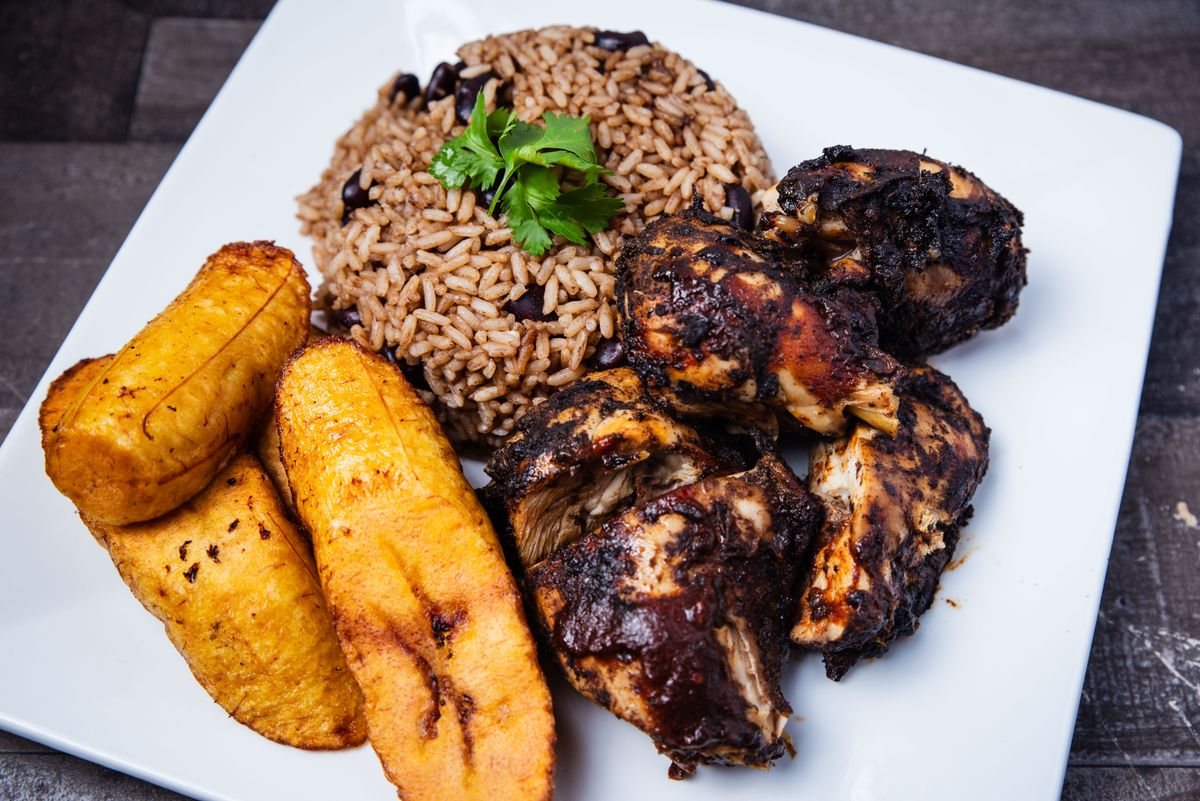
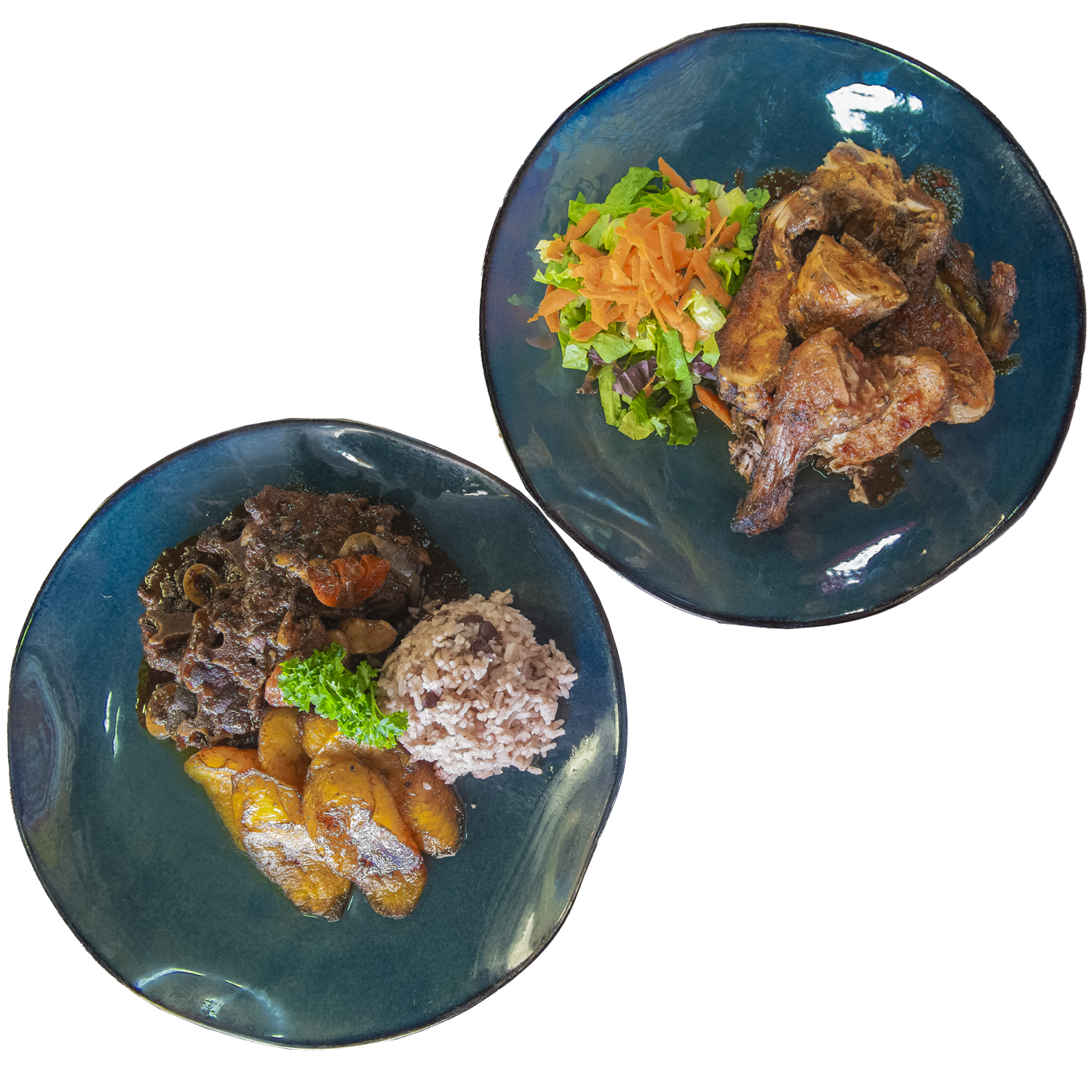
Denver is not the first city many people associate with Caribbean cooking, which is exactly why the local scene can feel like such a rewarding discovery. Tucked between barbecue joints, taco counters, breweries, and upscale American dining rooms, Caribbean restaurants bring a different kind of warmth to the table. The food leans bold, aromatic, and deeply comforting. It is the kind of cooking that fills a room before the plate even lands, with the perfume of allspice, thyme, Scotch bonnet, ginger, coconut, slow-braised meats, and rice that has absorbed every bit of flavor in the pot.
For diners looking for memorable group meals, easy catering, or a dinner that feels more spirited than routine, Caribbean food in Denver offers a lot. It works for a business lunch when you want something satisfying without being predictable. It works for family celebrations because many dishes are generous by design. It even works for low-key evenings when all you want is a plate that tastes like somebody actually cared while making it.
What makes Caribbean cuisine especially appealing is its range. It can be fiery or mild, rustic or polished, casual or event-ready. One menu may move from flaky patties and fried plantains to tender curry goat, jerk chicken, braised oxtail, stewed beans, and seafood layered with citrus and spice. Another might lean heavily into island comfort classics, with rice and peas, cabbage, yuca, and sweet sauces balancing savory heat. That flexibility is a big part of why the phrase caribbean food denver has started to resonate with diners searching for something outside the usual rotation.
What Caribbean food brings to the Denver dining scene
Caribbean cuisine is not one thing. It reflects a long history of movement, adaptation, and resourcefulness across islands and coastal communities, with influences from Africa, India, Indigenous traditions, Europe, and Latin America. In practical terms, that means the food often feels familiar in one bite and entirely new in the next. You may recognize the comfort of braised meat, fried chicken, rice, and stewed vegetables, but the seasoning profile takes it somewhere else.
In Denver, that matters. The city has become much more adventurous about food over the last decade, yet many diners still get stuck in habit. They know where to go for pizza, ramen, burgers, tacos, and brunch. Caribbean spots reward the people willing to branch out. They also solve a common dining problem: how to please a table with different tastes. A good Caribbean menu usually has smoky grilled options, rich braises, vegetarian sides, seafood, fried snacks, and sauces that let people control the heat level.
Altitude and climate shape dining choices in Denver more than people admit. There are many days when a crisp salad or sandwich just does not hit the mark. A proper plate of jerk chicken with rice and peas, or a bowl of curry with tender potatoes and gravy, makes more sense when the air is dry and the temperature drops after sunset. Caribbean food has a natural generosity to it, and in a city where people often balance active lifestyles with busy work schedules, that generosity goes over well.
The dishes people return for
Any discussion of caribbean food denver has to start with the anchor dishes that keep regulars coming back. Jerk chicken is usually the first name out of people’s mouths, and for good reason. When it is done well, it is one of the most balanced chicken preparations anywhere. The marinade should taste layered, not simply hot. You want the woody sweetness of allspice, the green bite of thyme and scallion, a little ginger, a little garlic, enough salt to penetrate, and the distinct spark of chile heat. Then the cooking method matters. Good jerk has char on the outside, juiciness inside, and smoke that feels integrated rather than accidental.
Oxtail is another standard for serious eaters. It is not a light dish, and it should not pretend to be. Properly braised oxtail turns gelatin-rich and tender, with a sauce that coats rice beautifully. It is the kind of plate that can justify its price because the labor shows. You cannot rush it. You cannot fake the depth. If a restaurant handles oxtail with care, that often says a lot about the kitchen’s patience and standards.
Curry goat deserves more attention than it often gets from first-time customers. People unfamiliar with it sometimes hesitate, usually out of habit rather than reason. That is a mistake. Goat, when cooked slowly in a well-spiced curry, develops a deep savory sweetness that stands up well to assertive seasoning. It is excellent for cold evenings and especially good when paired with rice, flatbread, or soft sides that soak up the sauce.
Then there are the supporting players that are not really supporting players at all. Rice and peas is one of them. Done right, it is fragrant and fully seasoned, not an afterthought. Plantains can be sweet, caramelized, and soft, or crisp-edged depending on ripeness and preparation. Cabbage often provides contrast, a lighter vegetable note against richer meats. Patties make terrific lunches because they are portable, satisfying, and flavorful without requiring a full sit-down commitment.
Seafood also deserves mention. Depending on the restaurant, you might find escovitch-style fish, shrimp in curry or coconut sauce, or grilled fish with bright citrus seasoning. These dishes show another side of Caribbean cooking, one that feels fresh and lively rather than heavy.
Why it works for more than one kind of occasion
One reason Caribbean restaurants earn loyal followings is that they can stretch across very different dining needs. Not every cuisine handles that equally well. Some foods shine in formal settings but lose energy in takeout boxes. Others are great for a quick lunch but feel thin at a celebration. Caribbean food tends to travel well, hold heat well, and satisfy a crowd.
For weekday lunches, the appeal is straightforward. You can get a complete plate with protein, starch, and vegetables, and it usually feels more substantial than a salad or deli sandwich. A curry or jerk plate carries enough flavor to wake up an ordinary workday, which is not a small thing. If you have a long afternoon ahead, a meal with actual depth and staying power can be the difference between feeling fueled and feeling flat by three o’clock.
For date nights or evening meals, Caribbean food offers atmosphere without requiring ceremony. There is often music, color, and warmth built into the experience. The food invites sharing, which makes dinner feel social right away. Ordering patties or plantains for the table, then comparing mains, tends to loosen people up. It is easier to talk when the meal itself brings energy.
For birthdays, graduations, office parties, and family gatherings, the cuisine may be at its strongest. Large-format trays of jerk chicken, rice and peas, stewed vegetables, and braised meats make practical sense for groups because portions are usually hearty and flavors stay vivid even in catering formats. A tray of bland food at an event disappears from memory. A tray that perfumes the whole room gets people asking where it came from.
I have seen this play out at everything from informal backyard gatherings to polished private events. Caribbean catering often lands better than expected because it feels festive without being fussy. People understand how to eat it. The flavors are accessible even when they are new. And because there is usually a mix of rich, spicy, starchy, and fresh elements, guests can build plates that suit their own preferences.
How to judge a Caribbean restaurant before you order
If you are exploring Caribbean food in Denver for the first time, the menu can tell you a lot before the first bite arrives. A focused menu is often a good sign. It usually means the kitchen knows its lane and is not trying to mimic ten different restaurant concepts at once. You want to see staples that suggest continuity, not random trend-chasing.
Pay attention to sides. They reveal whether a restaurant understands the cuisine as a whole or is leaning on a couple of marquee proteins. Rice and peas should not be listed like filler. Plantains should not feel like a token sweet side. Cabbage, beans, yuca, festival bread, or house sauces can all signal that care extends beyond the headline dishes.
Heat management also matters. Some customers assume Caribbean food is uniformly spicy. It is not. Spice can be present, but the better kitchens build flavor first and heat second. A restaurant that can explain which dishes are naturally hot, which are aromatic but mild, and which can be adjusted is usually serving a broader audience thoughtfully.
Service counts too, especially if you are ordering for a group. Caribbean menus often include items that may be unfamiliar to first-time diners, so staff who can guide choices clearly make a difference. A good recommendation can save an order. So can honesty. If the oxtail is the standout but sells out early, it is better to hear that upfront than settle for a caribbean food denver weaker option without context.
The pleasure of balance, heat, sweetness, acidity, and smoke
The best Caribbean cooking rarely relies on one note. That is part of why it stays interesting through a full meal. A plate might bring smoky meat, sweet plantains, soft rice, tart pickled vegetables, and a pepper sauce that adds edge in small amounts. Even rich dishes feel measured when the balance is right.
This is especially true with jerk. People often describe jerk as spicy, but that is only one dimension. Real jerk is also herbal, smoky, a little sweet, and deeply savory. The allspice gives it a warm roundness that makes it instantly recognizable. The best versions leave a lingering heat, but the more important effect is complexity.
Curry dishes carry a different kind of balance. They tend to be rounder, earthier, and more sauce-driven. Good curry does not just sit on the meat. It permeates it. Potatoes, if included, should absorb flavor rather than dilute it. Rice becomes more than a side, it becomes part of the eating rhythm, cooling and carrying the spice.
Acid is easy to overlook when discussing Caribbean food, but it is crucial. Pickled onions, vinegar-based pepper sauces, citrus marinades, and bright slaws all keep heavier dishes from dragging. If you have ever eaten a plate of braised meat that seemed delicious for the first few bites and exhausting by the end, that missing lift was often the problem.
Denver diners want authenticity, but they also want comfort
Authenticity is a loaded word in restaurant conversations, partly because people use it carelessly. In practice, most diners mean they want food that tastes rooted, not diluted into generic takeout. They want seasoning with conviction. They want recipes that feel like they come from somewhere real, whether that expression is Jamaican, Trinidadian, Haitian, Cuban, Dominican, or another Caribbean tradition.
At the same time, Denver is a city full of mixed dining habits. Some customers are eager to chase the hottest pepper sauce in the building. Others want a first step into the cuisine. Smart restaurants understand this. They stay true to their cooking while creating an on-ramp for newcomers. That might mean offering mild options, giving clear descriptions, or balancing adventurous items with approachable staples.
This caribbean food denver is one reason Caribbean restaurants often win repeat business rather than one-time curiosity traffic. A first visit might be driven by novelty. The second and third visits happen because the meal felt complete. Comfort matters. Familiarity grows quickly when the food is memorable.
Best occasions to choose Caribbean food
Certain meals naturally suit the strengths of the cuisine. If you are choosing a restaurant or caterer and want food that performs well in real life, Caribbean menus check a surprising number of boxes.
- Family celebrations, because large-format dishes are easy to share and appeal across age groups.
- Office lunches, because plates are filling, portable, and much more distinctive than standard sandwich catering.
- Casual date nights, because the food invites conversation and sharing without stiffness.
- Game days or house parties, because patties, wings, plantains, and jerk platters hold up well over time.
- Comfort-food dinners, especially in colder weather when braises and curries feel especially satisfying.
That range is part of the cuisine’s staying power. Very few restaurant styles can move comfortably from lunch tray to catered event to intimate dinner and still feel natural in each setting.
Ordering for a group without making expensive mistakes
Group ordering is where people often either love Caribbean food forever or decide it was too chaotic to manage. The difference usually comes down to planning. Rich dishes go fast. Mild items disappear sooner than expected. Sauces matter more than people think.
A useful rule is to build contrast into the order. If everything is spicy, guests fatigue quickly. If everything is heavy, the meal can feel one-dimensional. A better spread mixes smoke, braise, starch, vegetable sides, and at least one brighter element. Jerk chicken plus a braised option like oxtail or curry goat often works well because it gives people both charred and sauced choices. Add rice and peas, plantains, and a vegetable side, and the meal feels complete rather than overloaded.
Portioning also requires a little realism. Caribbean food is filling, but not every guest eats the same way. If the event runs long, people usually return for second helpings of jerk chicken and plantains first. Oxtail is beloved but richer, so smaller portions often satisfy. Patties are excellent for mixed groups because they can bridge the gap between appetizer and meal.
If anyone in the group is sensitive to heat, ask specific questions instead of assuming. “Spicy” means different things in different kitchens. A good restaurant can usually point you toward dishes with strong flavor but moderate chile impact. That kind of guidance helps avoid the common problem where one tray gets ignored because guests are unsure what they are walking into.
Drinks, sides, and the details that elevate the meal
Caribbean food pairs well with beverages that can handle spice and sweetness without disappearing. Ginger-forward drinks are a natural fit. So are citrusy sodas, fruit juices, and straightforward beers with enough body to stand next to jerk seasoning. Rum cocktails can be excellent in the right setting, though for food-first meals it often pays to keep drinks simple and refreshing.
Sides deserve a little more respect than they usually get in online reviews. It is easy to praise the oxtail and move on, but the supporting elements shape the meal’s success. Great rice and peas should taste seasoned on its own. Plantains should be cooked with intent, not left greasy or underdeveloped. Slaw or cabbage should provide relief and freshness rather than just occupying space on the plate.
Sauce handling separates average restaurants from strong ones. Pepper sauces should taste like ingredients, not just capsaicin. Gravy should enrich rather than swamp. A little extra jerk sauce on the side can be a gift if it is balanced, but it can also turn a good plate muddy if it is one-note and overly salty. These are small details, but diners notice them even when they do not articulate them.
What newcomers should try first
People new to Caribbean cuisine sometimes overthink the first order. There is no need. Start with one item that feels familiar and one that expands your range. Jerk chicken is the obvious gateway because it is recognizable in form while still expressing the cuisine clearly. Pair it with rice and peas and plantains, and you already have a good sense of how the flavors interact.
Then add something slower and deeper, such as curry goat or oxtail, if available. That second dish usually reveals more about the kitchen. It shows patience, seasoning judgment, and whether the restaurant handles texture well. If you like seafood, a fish dish with citrus or escovitch elements can be an excellent third step.
For lunch, a patty is often the smartest starting point. It is compact, affordable, and easy to eat on the move. If the crust is flaky and the filling is well-seasoned, you have a strong signal that the kitchen respects the basics.
Why the search for caribbean food denver keeps growing
Search behavior says a lot about what diners want. When people type caribbean food denver into a search bar, they are often looking for more than just a menu. They are looking for flavor with personality. They may want a catering option that will not bore their guests. They may be trying to find a meal that feels celebratory without requiring white tablecloth formality. Or they may simply be tired of default choices and ready for something that tastes alive.
Denver’s dining culture has matured enough to support that curiosity. Diners are more willing to explore regional styles, stronger seasonings, and cuisines with distinct identities. Caribbean food benefits from that shift because it delivers immediate pleasure while still offering depth for people who want to learn more. It is generous food with a point of view.
A well-made Caribbean meal tends to linger in memory for specific reasons. The smoke on the chicken. The richness of the gravy. The sweetness of the plantains against the heat. The way the rice carries everything together. Those are not abstract virtues. They are sensory details, and they are exactly what turn a one-time order into a standing craving.
For Denver diners planning a weeknight dinner, a catered celebration, or a meal that simply needs more life than the usual options, Caribbean restaurants deserve serious consideration. The cuisine is adaptable, crowd-pleasing, and grounded in techniques that reward patience and skill. That combination is rare. When you find a spot that gets it right, it quickly becomes the kind of place you mention without hesitation when someone asks where to eat next.
Reggae Pot Jamaican Grill
2243 S Monaco St Pkwy, Suite 104
Denver, CO 80222
(720) 410-2956
FAQ About caribbean food denver
What is a typical Caribbean meal?
Caribbean cuisines vary by island. A Jamaican meal might pair jerk chicken or oxtail with sides such as rice and peas, cabbage, or fried plantains.
What is Jamaica’s national dish?
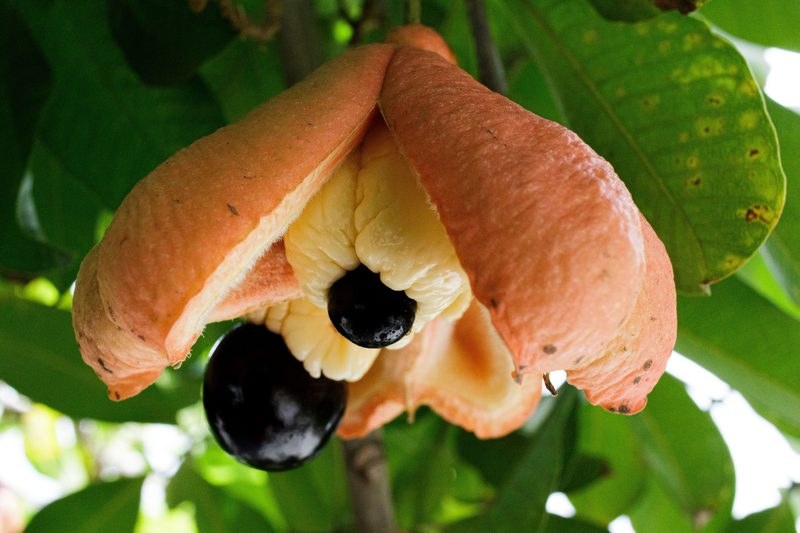
Ackee and saltfish is widely recognized as Jamaica’s national dish. Check the current menu for availability.
Is Caribbean jerk the same as Jamaican jerk?
Jerk is a Jamaican cooking tradition associated with seasoning and slow cooking or grilling. The exact heat level and preparation vary by cook.