Best Caribbean Food in Denver for Jerk Chicken Fans
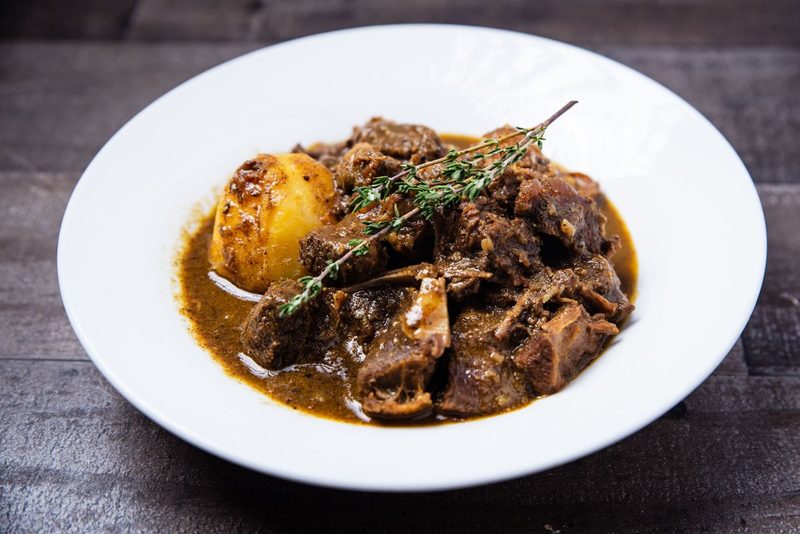
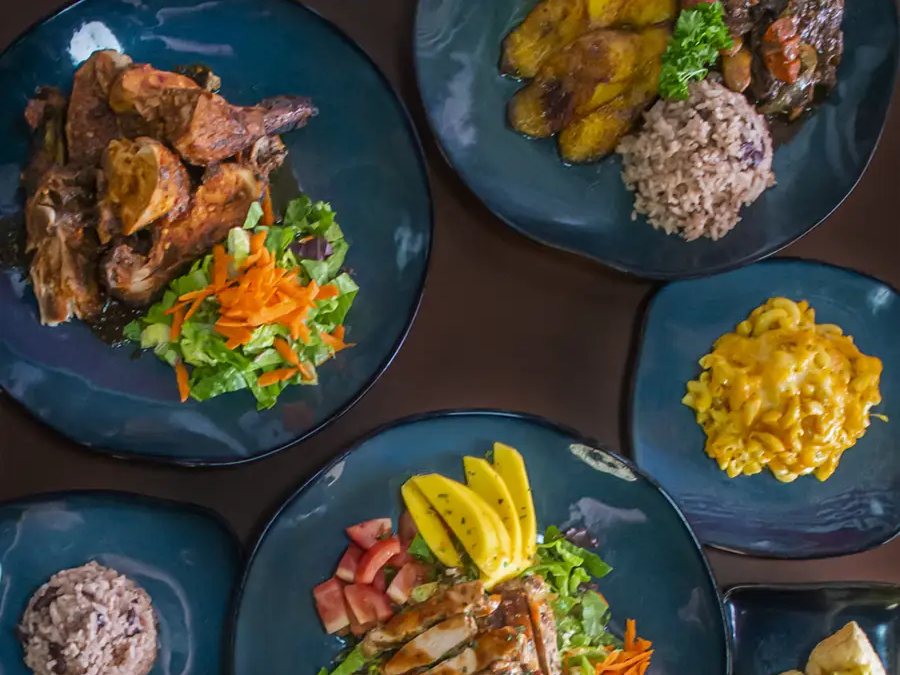
Jerk chicken has a way of ruining bland food for you. Once you have had a plate with properly seasoned meat, deep smoke, charred edges, and that slow-building heat from allspice, thyme, Scotch bonnet, and ginger, dry grilled chicken starts to feel like a missed opportunity. That is why finding strong Caribbean food in Denver matters more than it might seem at first glance. A good jerk plate is not just spicy chicken. It is technique, patience, and a kitchen that understands balance.
Denver is not the first city most people name when they talk about Caribbean dining. The local scene is smaller than what you find in South Florida, Brooklyn, or parts of Toronto. Still, if you know what to look for, there are worthwhile plates here. Some come from established restaurants, some from low-key counters, and some from food trucks or pop-ups that do not announce themselves with much fanfare. For jerk chicken fans, that is often the right way to think about the search. Do not chase hype alone. Chase smoke, seasoning, texture, and the kind of sides that make the whole plate feel complete.
What separates real jerk chicken from spicy grilled chicken
A lot of menus use the word jerk loosely. You will see it attached to chicken sandwiches, tacos, bowls, and wraps. Some of those dishes can be good in their own right, but if you are serious about jerk, you want more than heat and a Caribbean-sounding label.
Proper jerk starts with the marinade or wet rub. The backbone should include allspice and thyme, with onion, scallion, garlic, ginger, and some level of chile heat. Scotch bonnet is traditional, though kitchens sometimes substitute what is practical or available. The chicken needs time with those flavors. If the seasoning tastes like it was brushed on five minutes before service, you can usually tell. The best versions have flavor all the way through the meat, not just on the skin.
Then there is the cooking. Smoke matters. Char matters. Jerk should carry a little bitterness from the fire, because that char gives structure to the sweeter, warmer spices. Denver kitchens that take the process seriously understand this. They resist the temptation to make every piece uniformly soft and polite. A good jerk chicken plate should have contrast, juicy meat inside, caramelized and spicy edges outside.
Texture often tells the truth before the first full bite does. If the chicken looks pallid, glossy, and soft, the kitchen may have leaned too hard on sauce. If it comes out with dark lacquered patches, visible herbs, and the smell of spice and smoke before it hits the table, you are probably in better hands.
Denver’s Caribbean scene rewards a different kind of diner
People searching for the best Caribbean food in Denver sometimes expect a dense strip of restaurants with island-specific menus lined up door to door. That is not really how the city works. Denver’s Caribbean offerings can feel scattered. You may find Jamaican influence at one place, Trinidadian touches at another, and a broader island menu somewhere else. Some kitchens focus heavily on jerk and curry. Others do a little bit of everything, from oxtail to rice and peas to plantains to patties.
That scattered quality has one upside. Kitchens here often cook for people who actively sought them out, not just for passersby looking for a quick lunch. In practical terms, that can mean more care in the seasoning and better communication from the staff. Ask what the house is proud of. Ask how spicy the jerk is that day. Ask whether the chicken is cooked over flame or finished another way. Serious spots usually answer clearly and without overselling.
The best strategy is to think of Denver’s Caribbean food scene as a network rather than a district. If you are willing to drive a bit, follow food truck schedules, or try a place that looks modest from the outside, your odds improve.
How to judge a Caribbean spot before you order
There are clues, and after enough meals you start to trust them. The first is the smell. A room that carries warm spice, smoke, and a little sweetness from fried plantains is promising. The second is the steam table or pickup counter, if there is one. Rice and peas should look distinct and fluffy, not clumped into a beige mass. Cabbage should still have life in it. Plantains should look caramelized, not pale and tired.
The third clue is the menu itself. A focused menu is usually a good sign. When a kitchen offers jerk chicken, curry chicken, oxtail, maybe goat, patties, and a few sides, that often means they know their lane. When the menu sprawls into generic wings, burgers, pizza, and half a dozen unrelated cuisines, the jerk may be there only because someone thought the word would sell.
One thing experienced diners learn is that sides are a quality test. A kitchen that treats rice and peas like filler often cuts corners elsewhere. Great Caribbean food is plate architecture. The starch, the vegetables, the sauce, the protein, they all carry weight. If the rice is fragrant and the cabbage is seasoned rather than simply boiled, the jerk chicken usually benefits from that same care.
What the best jerk chicken plate in Denver should include
The strongest jerk chicken plates rarely rely on the chicken alone. They work because every part of the dish supports the main event.
Here is what I look for when ordering:
- Chicken with visible char and seasoning, not chicken hidden under a blanket of sauce.
- Rice and peas that taste of coconut, thyme, or stock, not plain white rice with beans dropped in.
- Plantains with deep caramelization and soft centers.
- A side like cabbage, slaw, or greens that cuts the richness and heat.
- Optional sauce on the side, so the skin keeps its texture.
That balance matters even more in Denver, where altitude and dry air can be unforgiving to grilled meats. Kitchens that get juicy, smoky jerk chicken onto the plate here deserve some respect. It takes attention.
Why the sides matter almost as much as the bird
Anyone can talk about jerk seasoning. The real tell comes after a few bites, when you realize whether the kitchen understands the rest of the meal. Rice and peas should not disappear into the background. At its best, it absorbs drippings and sauce, cools the heat, and gives the spices somewhere to land. If it is underseasoned, the whole plate feels flatter than it should.
Plantains are another make-or-break detail. Good ones taste like concentrated banana and brown sugar, with crisp edges and a custardy middle. Bad ones taste merely hot. I have had plenty of decent jerk chicken rescued by very good plantains, and I have had strong jerk dragged down by sides that felt like they came from a different kitchen.
Then there is cabbage. Many diners ignore it, but they should not. Properly seasoned cabbage adds acidity, softness, and relief. It keeps the meal from turning one-note. Slaw can do the same job if the kitchen goes that route, especially when it has enough tang to stand up to the smoke and chile.
A serious Caribbean plate is built around contrast. Heat needs sweetness. Fat needs brightness. Smoke needs starch. When those pieces line up, you notice.
Heat level is only part of the story
People who love jerk often ask one question first: how spicy is it? It is understandable, but it is not the best first question. The deeper issue is whether the heat tastes integrated. There is a big difference between chile that blooms slowly with the spice blend and chile that sits on the tongue like a dare.
In Denver, many kitchens calibrate heat for a broad audience. That does not automatically mean the jerk is weak. Sometimes the kitchen will keep the baseline moderate and offer hotter sauce on the side. Frankly, that is often the smarter move for a mixed crowd. What you want to avoid is a bland bird wearing a hot sauce disguise. Strong jerk tastes layered even before the heat arrives.
If you like serious spice, ask how they handle it. The best answer is usually specific. If someone tells you the chicken itself is well seasoned and there is an extra house sauce for more fire, that is encouraging. If they just say, “Yeah, it’s hot,” without any detail, expectations should stay measured.
Where jerk chicken fans usually go wrong
A surprising number of people judge Caribbean food by the wrong standards. They chase oversized portions, ultra-sweet sauce, or immediate burn. None of those things guarantee a better plate. In fact, an overly sauced jerk chicken often means the kitchen is compensating for weak seasoning or dry meat.
Another common mistake is ordering only the jerk and skipping the rest of the menu forever. If a place also does a good curry goat, oxtail, beef patty, or escovitch-style fish, that tells you something about the range and discipline of the reggaepotjamaicangrill.com caribbean food denver kitchen. Even if you are loyal to jerk chicken, it is worth reading the room. A house that cooks broadly and well tends to cook its flagship dish with more confidence.
Timing matters too. Jerk caribbean food denver is often better during busier service windows, when turnover is high and the kitchen is actively firing food. Catching a place at the tail end of a slow afternoon can be a different experience. Chicken that has sat too long loses some of the snap and succulence that make the dish memorable.
The role of food trucks and pop-ups in Caribbean food Denver diners should not overlook
Some of the most satisfying Caribbean food in Denver does not come from polished dining rooms. It comes from mobile kitchens, market stalls, brewery pop-ups, and weekend events where the setup is simple and the food is not. This matters because jerk adapts well to that format. A compact menu, a hot grill, and a crowd willing to wait can produce excellent results.
Food trucks often have one major advantage over larger restaurants. They are less tempted to overextend. A truck can focus on a handful of dishes and dial them in. That is exactly what jerk chicken wants. The trade-off, of course, is consistency and availability. A truck may sell out, post limited hours, or disappear for a week because of weather or scheduling. If you find one that gets the seasoning and smoke right, treat it like useful local intelligence.
Pop-ups can be even more rewarding. They often attract cooks who are deeply tied to family recipes or specific island traditions and are not trying to appeal to every diner in town. The downside is that menus can change, and a great plate at an event does not always mean you can get the same thing next Tuesday. Still, if your goal is to experience the best Caribbean food Denver can offer for jerk lovers, these smaller operations should stay on your radar.
What to order with jerk chicken if you want the full experience
If you are introducing someone to Caribbean food, build the meal with some intention. Jerk chicken can dominate the conversation, but it shines brightest with a few supporting pieces that give contrast and depth.
A smart order might include a patty to start, especially if the crust is flaky and the filling well spiced. Then the jerk plate itself, with rice and peas and plantains. If the menu includes cabbage or slaw, choose it. If there is a house-made hot sauce, ask for it on the side first. That lets you taste the kitchen’s baseline before adjusting the heat.
For a larger table, sharing helps. Caribbean meals reward cross-tasting. One person orders jerk, another gets curry or oxtail, and suddenly you understand more about the kitchen than you would from a single plate. You also get a clearer sense of whether the restaurant is coasting on one crowd favorite or cooking well across the board.
A note on authenticity, and why the conversation can get lazy
“Authentic” is one of the most overused words in food writing. In practice, Caribbean cooking has always adapted to migration, sourcing, and local demand. A Denver kitchen may not use the exact same equipment or ingredients as a yard-style operation elsewhere, and that does not automatically make the result less legitimate. What matters more is whether the food respects the core logic of the dish.
With jerk chicken, that means seasoning that reaches beyond surface-level spice, cooking that develops smoke and char, and a plate composition that reflects Caribbean habits rather than generic fast-casual assembly. A Denver restaurant can honor those principles while making sensible adjustments to supply chains or service style. That is very different from stripping the dish down until only the name remains.
The more useful question is not whether a plate is “authentic” in the abstract. It is whether the cook understands what makes jerk chicken compelling in the first place.
Signs you have found a place worth returning to
After enough meals, repeat visits become less about novelty and more about trust. The places worth keeping in rotation usually show the same strengths over time.
Look for these signals:
- The chicken stays juicy even when ordered well done or heavily charred.
- The kitchen seasons the sides with the same care as the mains.
- Heat is adjustable without sacrificing flavor.
- Staff can explain the dishes clearly and steer you honestly.
- The plate still tastes good when you get it to-go, not only fresh at the counter.
That last point matters in Denver. Plenty of people discover Caribbean food through takeout, especially after work or on weekends. A kitchen that packages jerk well, keeping the skin from steaming itself limp and the sides from bleeding together, is paying attention.
Denver’s best Caribbean meals often feel personal
One reason people become loyal to certain Caribbean spots is that the food often carries an intimate quality. Recipes come from family habits, migration stories, and years of adjustment. Even when the dining room is casual, the food can feel deeply intentional. You taste the cook’s decisions in small things, how sweet the plantains run, how much thyme shows up in the rice, whether the jerk leans smoky, herbal, or fiery.
That is part of the appeal for jerk chicken fans. The dish is recognizable, but never identical from one kitchen to another. One place may emphasize allspice and clove warmth. Another may push green herbs and scallion. Another may focus on smoke above all else. The best Caribbean food in Denver gives you room to notice those differences instead of flattening them into a generic “spicy chicken” profile.
For diners, that means the search should stay open-minded. The best jerk plate for you may not be the most polished one, the hottest one, or the one with the biggest social media following. It may be the one where the cook got the smoke right, where the cabbage tasted alive, where the rice carried actual flavor, and where you kept stealing plantains off the edge of the tray long after you were full.
If you are serious about the hunt
If jerk chicken is your benchmark dish, Denver is worth exploring with patience. Look beyond the obvious. Give trucks and pop-ups a fair shot. Ask questions. Return to places during their busy windows. Judge the whole plate, not just the spice level. And remember that Caribbean food is as much about balance as it is about boldness.
A great jerk chicken meal lingers for reasons that go beyond heat. You remember the smoke on your fingers, the sweetness of the plantains, the way the rice soaked up every drop, the herbal aroma rising before the lid even came off the container. That is the standard. When you find a Denver kitchen that hits those notes, you are not just finding dinner. You are finding a place that understands why people chase jerk chicken in the first place.
Reggae Pot Jamaican Grill
2243 S Monaco St Pkwy, Suite 104
Denver, CO 80222
(720) 410-2956
FAQ About caribbean food denver
What is a typical Caribbean meal?
Caribbean cuisines vary by island. A Jamaican meal might pair jerk chicken or oxtail with sides such as rice and peas, cabbage, or fried plantains.
What is Jamaica’s national dish?
Ackee and saltfish is widely recognized as Jamaica’s national dish. Check the current menu for availability.
Is Caribbean jerk the same as Jamaican jerk?
Jerk is a Jamaican cooking tradition associated with seasoning and slow cooking or grilling. The exact heat level and preparation vary by cook.