The Best Caribbean Food in Denver for Group Dining
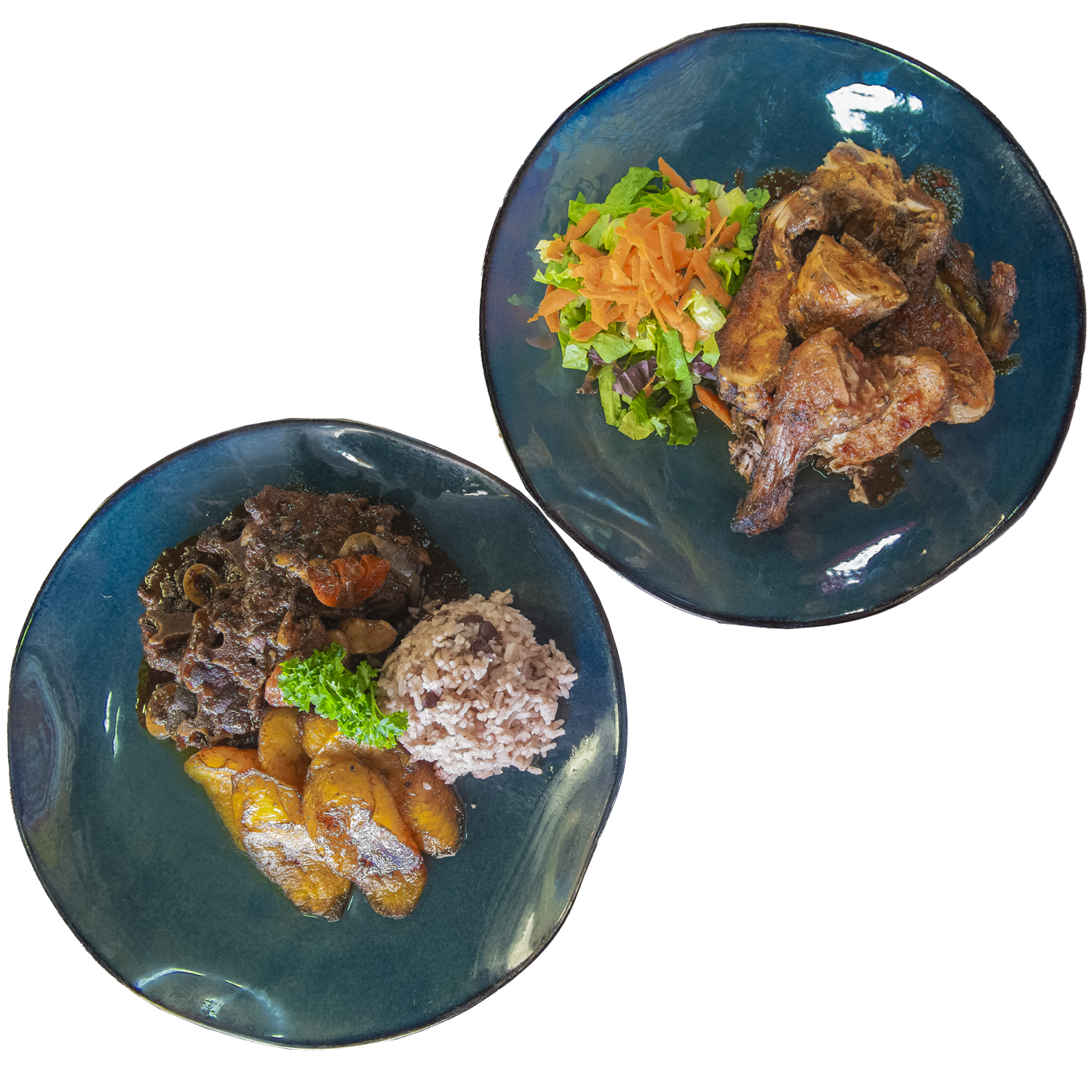
Finding great caribbean food denver diners will happily rally around is not just a matter of picking the place with the hottest jerk chicken or the strongest rum punch. Group dining changes the math. Suddenly, the meal is not only about flavor. It is about seating, pacing, menu breadth, noise level, parking, dietary flexibility, and whether the kitchen can send out ten or twelve plates without one person getting their curry while someone else is still waiting on plantains.
Denver is not the largest Caribbean food city in the country, and that is part of what makes the search more interesting. The scene is more selective, more scattered, and in many cases more personal. You are often dealing with independent operators, compact dining rooms, and menus that reflect one island tradition deeply rather than trying to represent the whole region. That can be a major advantage for a group, because focused kitchens tend to do a handful of things exceptionally well. It can also create friction if the table includes picky eaters, vegetarians, children, or coworkers who want familiar options alongside more traditional fare.
When people ask where the best Caribbean meal in Denver is for a birthday dinner, office outing, family celebration, or casual night with friends, the honest answer is that the best choice depends on the kind of group you are feeding. A lively crew looking for cocktails and music needs something different from a multigenerational family gathering where older relatives want comfortable seating, moderate volume, and dishes they can share. The strongest group dining experiences happen when the restaurant’s strengths line up with the group’s expectations.
What makes a Caribbean restaurant work for groups
A great group restaurant does a few things well before the first plate hits the table. It communicates clearly, handles larger orders without losing rhythm, and offers enough variety that one table can order across different comfort levels. Caribbean cuisine is particularly good for this because so many menus naturally balance bold mains with highly shareable sides.
Rice and peas, fried plantains, festival, roti, patties, stewed beans, cabbage, yucca, and seafood appetizers all make it easier to build a meal that feels abundant. That matters with groups. People relax when there is enough food on the table to pass around, sample, and compare. It lowers the pressure on individual ordering and turns dinner into a shared experience rather than a sequence of isolated entrees.
The other advantage is that Caribbean food usually brings contrast. You get smoke from jerk seasoning, sweetness from ripe plantains, richness from coconut-based sauces, heat from Scotch bonnet peppers, and the earthy grounding of rice, beans, and root vegetables. For a table of six or eight, that variety keeps the meal dynamic. One person’s oxtail plate complements another’s curry goat. Someone who does not want a heavy entree can split appetizers and sides without feeling shortchanged.
Still, not every Caribbean restaurant is ideal for a group. Some of the best food comes out of tiny spots built primarily for takeout. Those can be brilliant for a two-person lunch and frustrating for a birthday dinner. If the room is cramped, the kitchen ticket times are already long on weekends, or the menu is too narrow, the meal can start to feel logistical instead of celebratory.
The styles of Caribbean dining that tend to succeed in Denver
When you look for caribbean food denver groups can genuinely enjoy together, you will usually run into three restaurant styles, each with clear strengths.
The first is the casual counter-service spot with a few tables and serious food. These places often have some of the most memorable jerk dishes, curries, and patties in town. They work best for smaller groups, usually four to six people, especially if everyone is comfortable ordering at the counter and eating in a more relaxed setting. The upside is value and flavor. The downside is that large parties can overwhelm the space, and seating may not be guaranteed in the way a traditional dining room can manage.
The second is the full-service restaurant with island-inspired drinks, broader menus, and more intentional hospitality. For birthdays, reunions, and work dinners, this setup is often the safest bet. The room is designed for lingering. The staff is better equipped to coordinate timing. There is usually a better chance of handling substitutions, appetizers for the table, and a staggered arrival if not everyone shows up at once.
The third is the hybrid model, a place that may operate like a neighborhood restaurant during the week but becomes a social destination on busy nights. These can be fantastic if your group wants energy. They can also be a challenge if conversation is the point of the evening. Caribbean dining often pairs naturally with music and a celebratory atmosphere, but not every group wants to raise their voice over speakers after the first round of drinks.
That trade-off matters more than people think. I have seen groups blame a restaurant for being “too loud” when the real issue was choosing a nightlife-leaning space for a grandparents-and-kids dinner. The food can be excellent and still not be the right fit for the occasion.
The menu signs that tell you a place can handle a crowd
A menu often reveals whether a restaurant is built for group dining. If you see several mains anchored by shared base ingredients, that is usually a good sign. It means the kitchen has systems. A place serving jerk chicken, braised oxtail, curry goat, and escovitch fish alongside the same family of sides is often better prepared for synchronized service than a menu with twenty unrelated one-off dishes.
Look for appetizers and sides that can bridge different appetites. Patties are useful because they satisfy the table immediately. Plantains are almost always an easy win. A good roti section can also help, especially if some guests prefer handheld or bread-based dishes over plated entrees. Seafood offerings widen the table’s options, while one or two vegetarian mains make the restaurant more practical for mixed groups.
Desserts matter too, though they tend to be overlooked in planning. If a restaurant offers a few strong desserts, it gives the evening a clean ending and keeps the group from splintering off to find sweets elsewhere. Something simple like rum cake, bread pudding, or coconut-based dessert can do a lot to extend the meal gracefully.
One thing to watch is spice communication. Some Caribbean restaurants are careful about heat levels, and some assume diners know what they are getting. For a group, clarity helps. If a menu notes what is spicy and what is not, ordering becomes faster and more confident. If it does not, ask. Nothing slows a big table down like passing around one plate to determine whether the sauce is mild, medium, or an emergency.
Group size changes the definition of “best”
The best Caribbean restaurant for six people is not always the best one for twelve. Once a party grows, small operational details become the whole story. This is where many Denver diners get tripped up.
For four to six people, you can prioritize food almost above all else. A compact dining room, counter ordering, or a slightly slower pace can still work if the dishes are memorable. At that size, people can share plates comfortably and adapt if the room is tight.
At eight to ten people, structure starts to matter. You want a restaurant that will either reserve a table or clearly explain how it manages larger groups. You also want enough breadth on the menu that nobody feels cornered into one safe option. Service style becomes more important here. A group this size benefits from staff who know when to guide, when to pace appetizers, and when to split checks without drama.
At twelve or more, many of the city’s best small restaurants stop being realistic choices unless you are arranging a catered meal or a partial buyout. This is where people sometimes force the issue and end up disappointed. The room is too small, the kitchen gets slammed, and the evening drags. If your party is that large, it is smarter to favor the restaurant with stronger logistics, even if another place has a slightly more exciting jerk marinade.
That may sound less romantic, but group dining is hospitality plus food, not food alone.
The dishes that usually land best at a shared table
Some Caribbean dishes are stars in a solo meal but less useful in a group setting. Others become more compelling when several people order them side by side.
Jerk chicken is usually the anchor. It is familiar enough for cautious diners, flavorful enough for serious eaters, and often available in portions that feel generous. Curry goat and oxtail tend to attract the table’s adventurous meat eaters, but they are also the dishes people end up passing around for tastes. Fish preparations, especially fried or escovitch-style fish, add a lighter counterpoint. On the side, plantains and rice are nearly universal connectors, the kind of dishes nobody regrets adding.
A well-chosen order for a group does not need to be huge, but caribbean food denver it should be varied. The best tables usually mix one smoky dish, one braised dish, one curry, something fried, and plenty of sides. That pattern lets everyone sample the range of Caribbean cooking without overwhelming the kitchen with custom requests.
If the restaurant has house-made sauces, ask for them early. A pepper sauce, tamarind-based glaze, or jerk sauce on the side can elevate the whole table, but only if people actually have access to it instead of realizing halfway through the meal that they should have asked.
How to choose the right Denver spot without guessing
You do not need a long scouting process, but a little strategy helps. When evaluating caribbean food denver options for a group, focus on practical signals rather than just social photos or a single glowing review.
Here are the details worth checking before you book or head out:
- Whether the restaurant accepts reservations or large-party call-ahead seating.
- How many substantial side dishes or shareable starters appear on the menu.
- Whether the dining room looks built for lingering, not just quick turnover.
- If the drink program matches your group, whether that means cocktails, beer, or nonalcoholic options.
- How clearly the restaurant communicates spice, allergens, and substitutions.
Those five questions eliminate most bad fits quickly. A place can have excellent food and still be wrong for your occasion. If the website or social channels make the room look tiny, trust that signal. If every photo shows takeout containers rather than a functioning dining room, plan accordingly. If there is no sign they handle groups, call before assuming they do.
Phone calls still matter more than many diners think. For independent restaurants especially, a quick conversation can tell you whether they welcome larger parties, whether certain nights get packed, and which dishes they recommend for a group. It also gives the staff a chance to flag timing. They may tell you that a Friday at 7:00 is rough, but a Thursday at 6:00 works beautifully. That kind of guidance can save the entire evening.
Budget matters, but value is not the same as price
Caribbean food often offers excellent value because many menus are built around deeply seasoned proteins with hearty sides. For groups, though, sticker price can be misleading. A lower-cost plate at a cramped spot with limited drinks and no desserts may not create a better overall experience than a slightly pricier full-service meal where the table can stay two hours comfortably.
The smartest way to think about budget is total experience per person. Ask yourself whether people will order a drink, an appetizer, a full entree, and possibly dessert. Then ask whether the restaurant’s portion sizes support sharing. A place with large, satisfying entrees can reduce the need for excess ordering. A place with smaller plates may lead the table to add more sides and starters, which shifts the final bill quickly.
For work dinners and celebrations where budgets are set in advance, Caribbean restaurants can actually be easier to manage than many steakhouse or upscale American options. The menu structure is usually clearer, and the temptation to leap into wildly different price ranges is lower. You can often estimate costs with decent accuracy once you know whether the group will drink heavily or keep things simple.
Atmosphere can make or break the night
People often talk about food first and atmosphere second, but in group dining the order is usually reversed by the end of the evening. No one wants to admit that a great meal felt stressful because the table was wedged against a service station or because the music made normal conversation impossible. Yet those are the details guests remember.
The best Caribbean group dinners in Denver tend to happen in rooms with warmth and movement, but enough control that the energy does not spill into chaos. Music should add life without hijacking the table. Service should be friendly and direct. Decor does not need to be elaborate, but the room should feel intentional. Bright colors, island references, good lighting, and a sense of hospitality all help.
One of the pleasures of Caribbean dining is that it rarely feels sterile. Even the more polished restaurants often retain a sense of personality. For groups, that personality is an asset as long as it is paired with organization. Guests can forgive a short wait if the room feels welcoming and the staff keeps communication clear. They rarely forgive confusion that could have been prevented.
Matching the restaurant to the occasion
Different occasions call for different versions of “best,” and this is where a lot of people improve their odds simply by getting specific about the night they want.
A birthday dinner usually benefits from a place with cocktails, desserts, and a little buzz in the room. An office dinner needs easy parking, reliable pacing, and dishes broad enough for mixed preferences. A family gathering often works best somewhere with comfortable seating, moderate volume, and enough straightforward menu items for kids or older relatives. A reunion among friends can lean more adventurous, especially if everyone enjoys sharing and ordering across the menu.
If you are planning the meal, it helps to settle three questions early:
- Do you want lively or quiet?
- Do you want individual entrees or lots of sharing?
- Do you need reservations, or can you stay flexible on time? caribbean food denver
Those answers narrow the field fast. They also help when calling the restaurant, because staff can respond usefully when you describe the evening clearly. “We have eight people, a birthday, two vegetarians, and we want to share appetizers” gets a much better answer than “Can you take a big group?”
Why Caribbean food works so well for celebration
There is a reason Caribbean food feels natural for gatherings. The cuisine carries generosity in its structure. The portions are often ample, the seasoning is expressive, and the side dishes invite passing plates around. It is food that encourages reaction. Someone at the table will comment on the char on the jerk chicken. Someone else will reach for one more plantain. Another person will insist everyone try the braised oxtail gravy over rice.
That sense of abundance matters. Group dining is not just eating near other people. It is a social ritual, and the best Caribbean restaurants support that instinctively. They allow the meal to unfold with warmth. Not rushed, not overly formal, not detached. Even in a professional setting, that can soften the room and make conversation easier.
Denver diners looking for caribbean food denver can celebrate around should lean into that strength. Search for places that understand the dining room as well as the kitchen. Favor restaurants that can feed a table generously without losing their footing. Respect the limits of smaller spaces, especially if your party is large. And when you find a place that gets the balance right, serious flavor, real hospitality, and enough flexibility for a crowd, remember it. In a city where the Caribbean dining scene is more focused than sprawling, the best group spots tend to earn their reputation one well-fed table at a time.
Reggae Pot Jamaican Grill
2243 S Monaco St Pkwy, Suite 104
Denver, CO 80222
(720) 410-2956
FAQ About caribbean food denver
What is a typical Caribbean meal?
Caribbean cuisines vary by island. A Jamaican meal might pair jerk chicken or oxtail with sides such as rice and peas, cabbage, or fried plantains.
What is Jamaica’s national dish?
Ackee and saltfish is widely recognized as Jamaica’s national dish. Check the current menu for availability.
Is Caribbean jerk the same as Jamaican jerk?
Jerk is a Jamaican cooking tradition associated with seasoning and slow cooking or grilling. The exact heat level and preparation vary by cook.